Avoid These Common Skylight Installation Mistakes
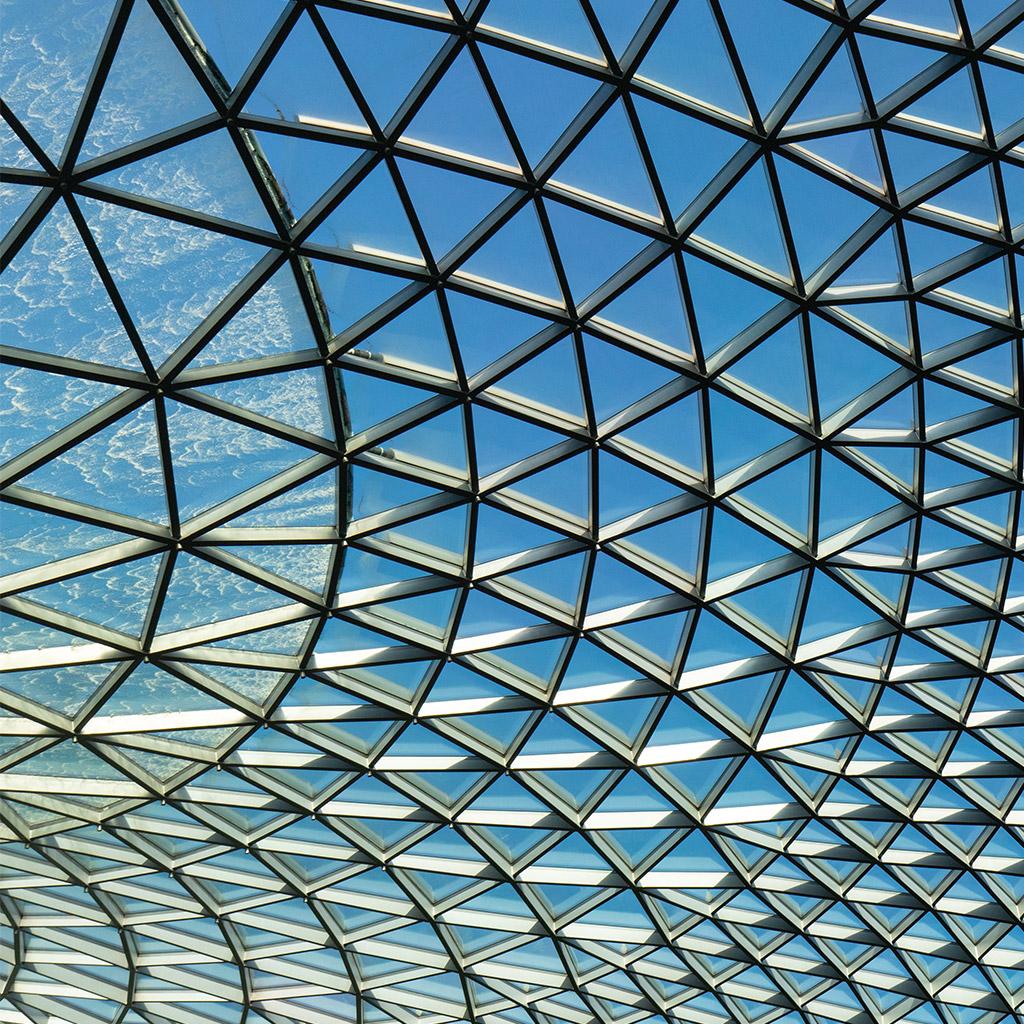
Skylights are a popular addition to many homes, providing natural light and ventilation to a space. However, the installation process can be tricky and mistakes can lead to costly repairs or even damage to your home.
To ensure successful installation of a skylight on the roof, it’s important to avoid common mistakes that homeowners often make.
Choosing the Wrong Location:
Placement affects performance. Avoid installing a skylight on a north-facing roof if you seek solar warmth. Do not position a skylight where winter snow from a higher roof section will slide directly onto it. Consider the room’s interior layout; placing a skylight above a bed or sofa might create uncomfortable glare or heat. Always check the roof’s framing in the desired area to ensure you can avoid rafters and maintain structural integrity.
Neglecting Flashing Details:
Flashing forms the critical seal between the skylight curb and the roofing material. Using cheap or incorrect flashing invites water intrusion. Never rely solely on sealants; they crack and fail over time. Install step flashing, head flashing, and sill pan flashing according to the manufacturer’s specifications. Integrate the flashing tightly with the existing roof shingles or metal. This system directs water away from the unit and onto the roof surface.
Ignoring Proper Curb Construction:
Many skylights require a built-up curb. Build this curb from treated, weather-resistant lumber. Ensure it is square and level; an uneven base causes the skylight frame to twist, creating gaps. Secure the curb firmly to the roof framing. For flat or low-slope roofs, a self-curbing model often works better. Always follow the specific height requirements for your roof pitch to prevent water pooling around the unit.
Compromising on Glazing and Energy Efficiency:
Select glazing based on climate and orientation. In hot climates, a standard clear pane can overheat a room. Use double-pane glass with a low-emissivity coating to manage heat transfer. Consider tinted or laminated glass for south-facing installations. Check the unit’s U-factor and Solar Heat Gain Coefficient (SHGC) ratings. A higher-quality glazing unit controls condensation and reduces heating and cooling costs.
Failing to Seal the Interior Shaft:
The installation work does not finish on the roof. The light shaft, or tunnel, connecting the roof to the ceiling requires a complete interior seal. Use drywall and vapor barriers to create an airtight connection from the skylight well to the room below. Insulate this shaft thoroughly. An uninsulated shaft loses conditioned air and can lead to moisture problems inside the walls.